Art Style Magazine, an online, peer–reviewed publication dedicated to art and culture, invites submissions of extended essays and scholarly articles.
The theme of the upcoming edition is:
Performative Arts: Human and Non-Human Co-Creation, Cultural Diversity, Artificial Intelligence, and Future Visions
During the last decades, the field of performative arts has been reshaped by a convergence of philosophical debates, aesthetic experiments, and rapid technological developments. At the same time, enduring historical trajectories—such as the evolution of the classical theatre concept, the rise of intercultural exchange from the 1920s onward, the radical sociopolitical transformations since 1968, and the institutional bifurcation into state-supported and independent theatres—continue to inform contemporary practice. This special issue seeks to foreground these intertwined dimensions while also addressing the emergent role of artificial intelligence (AI), augmented reality (AR), virtual reality (VR) and related media as co‑creative agents.
The volume aims to assemble scholarly articles and extended essays that:
Re-situate the classical theatre paradigm (dramaturgy, direction, acting, scenography) within current co-creative practices.
Trace intercultural dynamics in performance from the avant-garde encounters of the 1920s through post-colonial and decolonial interventions.
Analyze the impact of the 1968 revolts on notions of authorship, audience participation, and the politics of the stage.
Examine the structural split between state-funded and independent theatres, focusing on funding models, artistic working strategies, and, possibly, the integration of digital technologies.
Critically engage with AI-driven creation, treating algorithmic systems not merely as tools but as potential collaborators within historically informed frameworks.
Project speculative futures for performative arts that synthesize the above strands into coherent theoretical and practical visions.
We encourage submissions that address (but are not limited to) the following topics:
Classical Theatre Foundations – continuity and rupture in dramaturgical structures, staging conventions, and performer-director relationships.
Intercultural Performance Since the 1920s – early cross-cultural exchanges, migration of theatrical forms, and contemporary transnational collaborations.
The 1968 Epoch – anti-institutional movements, participatory aesthetics, and their lasting influence on experimental theatre.
State vs. Independent Theatre – comparative analyses of governance, audience development, and artistic autonomy.
Human–Non‑Human Co‑Creation – collaborative processes involving performers, audiences, AI agents, robots, algorithms, and responsive environments.
AI, AR/VR, and Live Creative Arts – case studies of theatre, dance, music, performance art, and installation employing generative systems, sensor-based interaction, motion capture, and immersive media.
Design of Performative Spaces – adaptive, immersive, and interactive architectures shaped by intelligent systems and participatory audiences.
Ethical, Political, and Ecological Implications – responsibility, sustainability, and post-humanist perspectives on technologically mediated performance.
Speculative Futures – envisioning new dramaturgical scores, performance scores for human-machine ensembles, and educational trajectories.
For detailed submission instructions and formatting requirements, please consult Art Style Magazine’s official guidelines on our website (https://artstyle-editions.org/author-guidelines/). Submission deadline: November 30, 2026. We will get back to you with acceptance or non-acceptance feedback after the reviewers have evaluated your contribution. If your submission is accepted, we will inform you about the publication schedule.
The Art Style Magazine is guided by editor-in-chief Dr. Christiane Wagner, with support from an international editorial board and scientific committee.
Jörg U. Lensing, co-editor for this special edition.
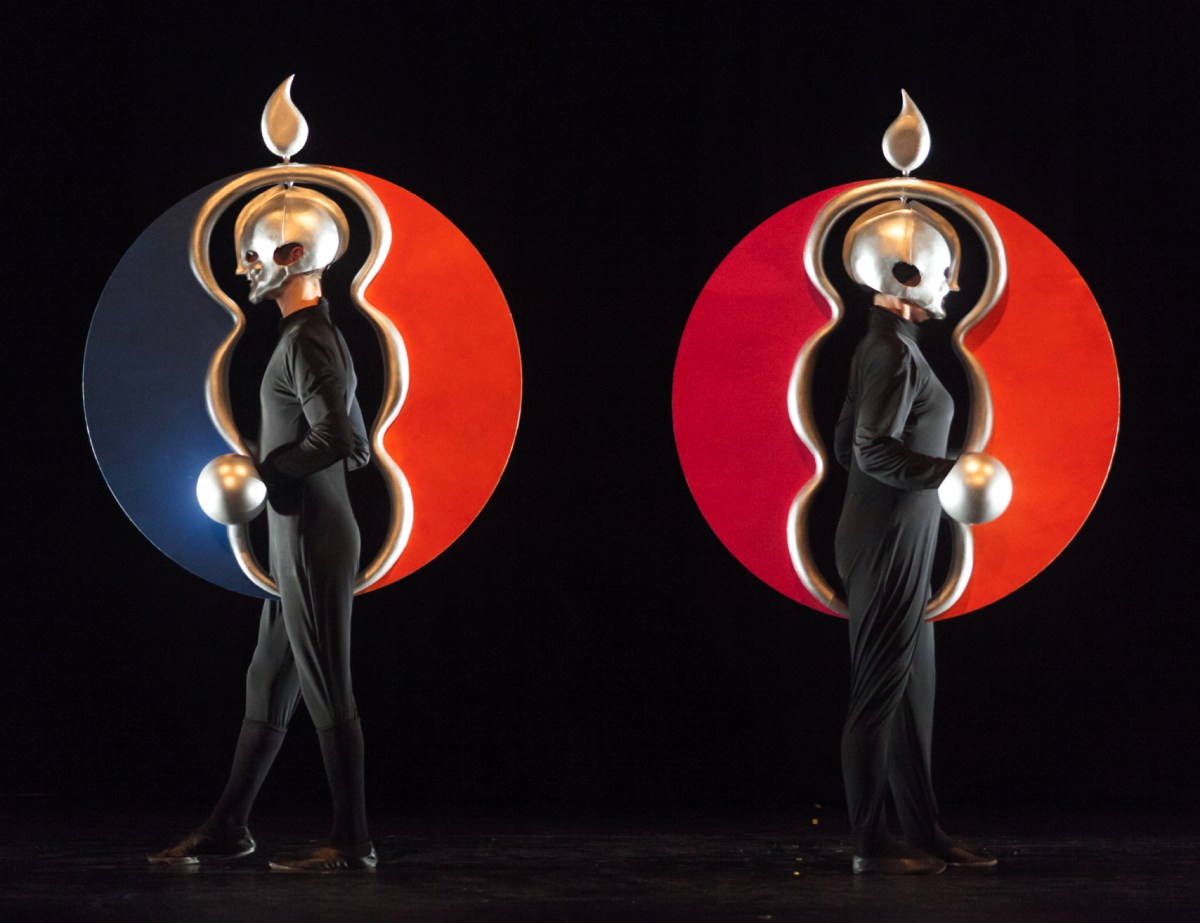
Featured image on the webpage post: “The Triadic Ballet” by Oskar Schlemmer. Dancers: Danilo Cardoso and Phaedra Pisimisi. Photo by Kai Pohler. THEATER DER KLÄNGE’s Production, Düsseldorf, 2017.
Green Agency: Katia Huemer on Curating Beyond the Trend
An Interview with Katia Huemer by Mei-Hsin Chen, PhD, Professor at the University of Navarra, Spain
Preamble
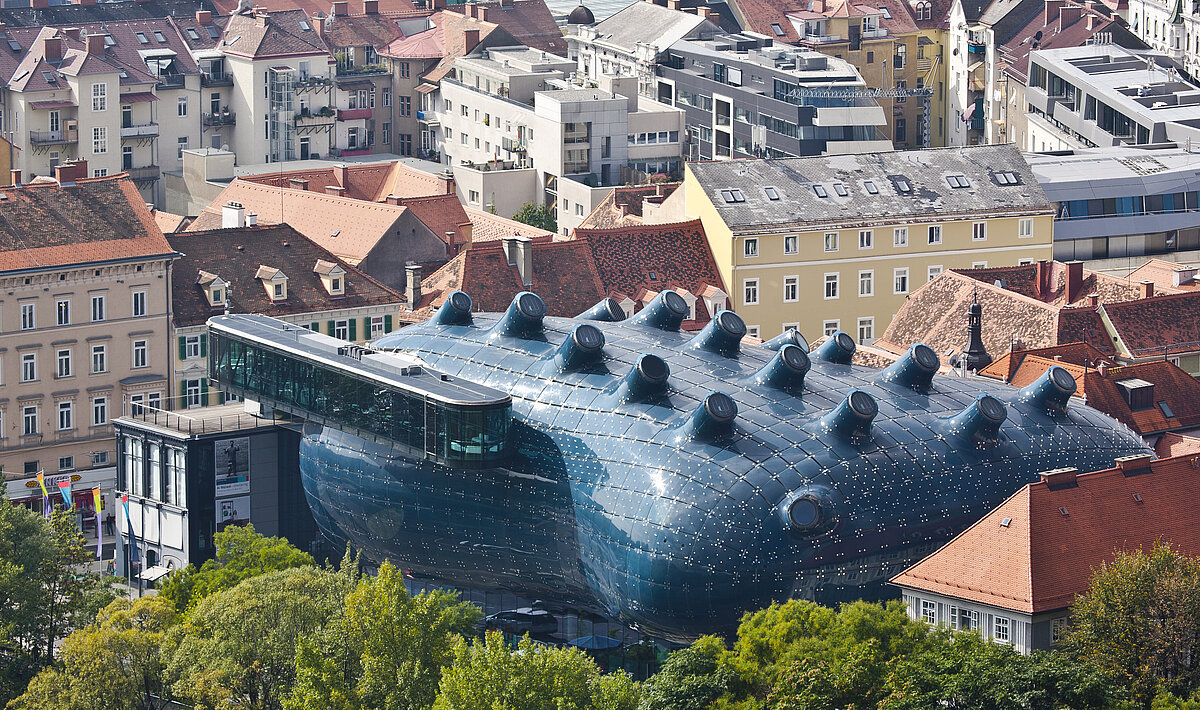
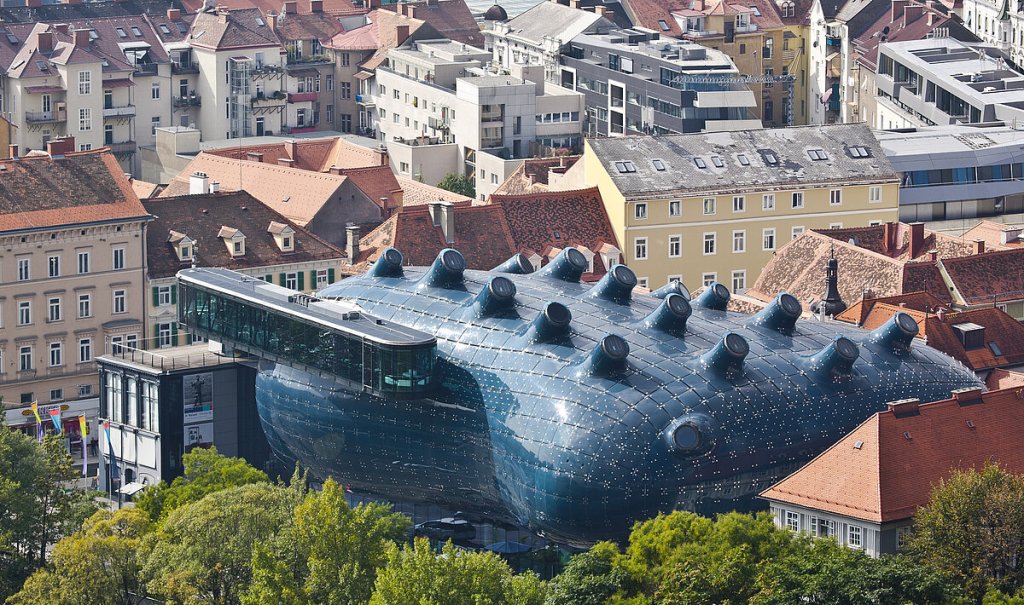
The following interview explores the intersection of aesthetic ambition and ecological responsibility within the framework of the Kunsthaus Graz (Fig. 1), Austria. Architecturally iconic and affectionately known as the ‘Friendly Alien,’ the Kunsthaus stands as a biomimetic landmark in the city of Graz, Styria—a region famously dubbed the ‘Green Heart of Austria.’ However, beneath its avant-garde skin, the institution is navigating a profound internal transformation, having recently earned the Austrian Ecolabel (Österreichisches Umweltzeichen) as an accredited ‘Green Museum.’
In this conversation, I sit down with Katia Huemer, one of the key curators at the Kunsthaus Graz whose practice is defined by a rigorous commitment to contextual integration. Huemer offers a candid look at the ‘state of constant negotiation’ that defines modern curating—from the logistical paradoxes of international shipping and the material waste of monumental installations to the transformative potential of ‘Green’ institutional DNA. Through her reflections, we move beyond the theory of sustainability to examine the practical, ethical, and often conflicting realities of the museum as a catalyst for political agency.
Interview
I. Regional Roots: Art in the Styrian Landscape
Mei-Hsin Chen (MC): Given the Kunsthaus Graz’s steadfast commitment to ‘Sustainable Thinking, how would you describe the specific ecological or sustainability themes—moving beyond the broad discourse of climate change—that are currently being interrogated by contemporary artists in Graz and Styria? I am particularly interested in how local practitioners address regional specificities, such as the Styrian landscape—I am thinking of artists like Markus Jeschaunig—resource management, or the localized waste streams explored in the exhibition Feeding the Ghost (September 17, 2025– November 2, 2025), which you curated.
Katia Huemer (KH): To address your question, I would like to highlight an artist other than Markus Jeschaunig. A particularly resonant example in this context is the Styrian artist Anita Fuchs. Her practice is profoundly process-oriented and defined by a meticulous sensitivity to local environments, investigating the intersections of nature within both urban and rural landscapes.
Fuchs frequently operates at the nexus of art and science, often collaborating with researchers. A primary example is her project Versuchsfeld (Test Field), an ongoing artistic research initiative conducted over several years at locations such as the MuseumsQuartier in Vienna and the Graz Opera House. In these interventions, Fuchs replaces ecologically unproductive turf with curated seed mixtures specifically designed to support pollinators like bees and butterflies. This transformation—from a sterile lawn to a species-rich wild plant habitat—is shared with the public through workshops, lectures, and meticulous documentation. She exemplifies the artist who works with extreme local specificity.
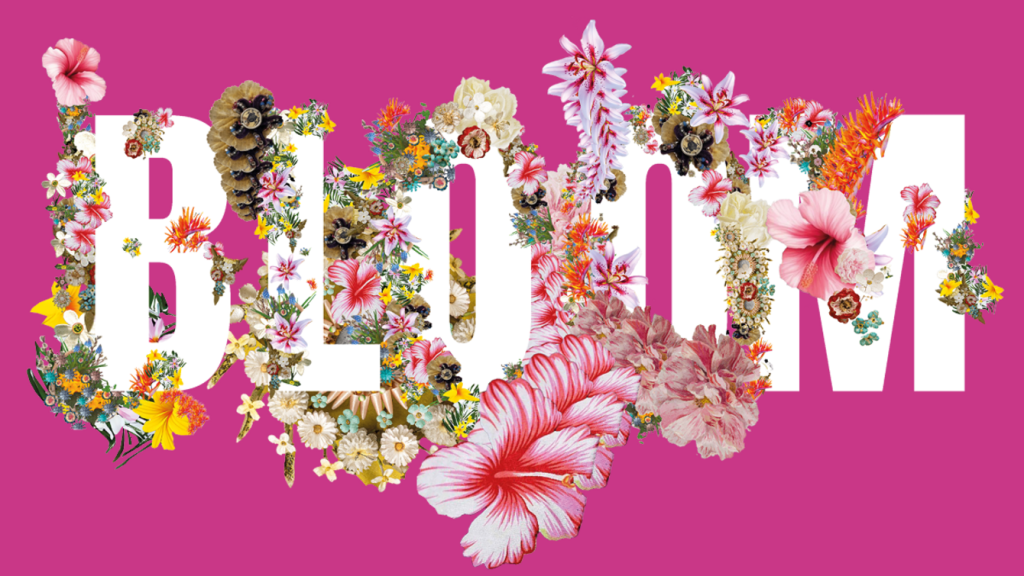
For our upcoming Bloom project (running from March 21 to November 8, 2026) (Fig. 2), which involves eight institutions within the Universal Museum Joanneum, we have commissioned Fuchs to conduct a survey of flora within a 500-meter radius of each site. She composes bouquets from these findings without distinguishing between wild growth, domestic gardens, or commercial flower shops. The resulting work—presented through photography rather than the ephemeral bouquets themselves—serves as a poignant commentary on biodiversity, seasonality, and the complexities of the global flower trade.
On a different note, your research might benefit from examining the art collection of Martin Roth’s family here in Styria. Roth’s family operates Saubermacher, a private waste management and recycling firm, and they have curated a collection that focuses specifically on the themes of resources and waste. From time to time, they commission local artists—such as the media artist Richard Kriesche and the sculptor Hans Kupelwieser —to create works that engage with the company’s core mission of sustainability.
Finally, I must mention Martin Roth (1977-2019) himself, an exceptionally talented artist who was deeply invested in these themes. In 2023, the Kunsthaus hosted a posthumous exhibition of his work titled You can see more from far away (February 10 – May 21, 2023), curated by Katrin Bucher Trantow and Michaela Leutzendorff Pakesch. This project presented both a professional and ethical challenge, as it involved living animals. We had to navigate the delicate balance between honoring his artistic vision and adhering to stringent animal protection protocols. It was a profound exhibition.
II. Material Paradoxes: Innovation vs. Protocol
MC: Your curatorial portfolio suggests a profound emphasis on process. Could you elaborate on how you evaluate and champion artists who are pushing the boundaries of sustainable materiality, closed-loop systems, or innovative, low-impact production techniques? Furthermore, how is the dialogue between artistic innovation and ecological ethics navigated in the presentation of these works?
KH: That is an exceptionally complex and nuanced challenge. The nature of this dialogue depends heavily on the individual temperament of the artist; some practitioners maintain such specific aesthetic visions that they allow for very little flexibility. This tension is often amplified when working with artist estates. For instance, in our current exhibition, Unseen Futures to Come Fall (September 18, 2025–February 15, 2026), curated by Andreja Hribernik, we are featuring Bill Viola’s magnificent work, The Raft. We initially envisioned presenting it in an open configuration that would harmonize with the organic, biomimetic architecture of our ‘Friendly Alien.’ However, the estate’s stringent protocols required a traditional ‘black-box’ environment. Consequently, we were compelled to construct an elaborate temporary architecture for this single piece—a process that consumes significant resources only to be dismantled post-exhibition.
There is also a distinct difference between curating solo and group exhibitions. In group shows—such as my recent Project 24/7: Work between meaning and imbalance (May 1, 2024–January 19, 2025), which examined the intersection of labor and ecology—the institution maintains greater agency over the spatial design. For that exhibition, we utilized industrial heavy-duty shelving as our primary architectural framework. After the show concluded, these components were repurposed as permanent storage in our archives, embodying a practical, circular approach to exhibition design.
On an institutional level, the Kunsthaus is constantly striving to refine its internal workflows as an accredited ‘Green Museum.’ We are transitioning toward digital formats to minimize paper consumption and are increasingly committed to the reuse of exhibition architecture. A significant milestone in this journey is our collaboration with the City of Graz and Markt der Zukunft, culminating in the Environmental Art Award, presented for the first time in 2025.
Ultimately, we inhabit a state of constant negotiation. While we strive to feature international artists, the logistical realities of carbon-heavy transport and non-sustainable materials often present a profound ethical conflict. I frequently reflect on Katharina Grosse’s 2014 exhibition , which featured a monumental spatial sculpture composed of vast amounts of synthetic foam. At the time, it was an extraordinary aesthetic achievement, but if proposed today, I doubt the institution—or perhaps even the artist—would choose that material path. We mitigated the impact by donating the foam to local kindergartens and for industrial insulation, but the paradox remains: it was a brilliant exhibition that generated a staggering amount of waste. I believe that as long as we remain transparent about these ‘wrong’ decisions and use them as catalysts for institutional learning, we continue to move the system forward.
III. Aesthetic Agency: Art as a Catalyst for Change
MC: The magnitude of the contemporary ecological crisis demands a holistic perspective. How have the artists you collaborate with interpreted concepts such as ‘integral ecology,’ or navigated the intersection of environmental degradation with social, labor, and economic realities? Furthermore, have you observed a burgeoning trend toward interdisciplinary, research-based artistic practices within the Graz creative community?
KH: While I cannot provide a definitive sociological assessment of Graz specifically, there is an undeniable global shift toward interdisciplinary works that engage with these systemic issues. For instance, we recently hosted a symposium for Emilija Škarnulytė’s exhibition, Waters and Beyond (November 8, 2025–February 15, 2026), which examines water as a multifaceted political, poetic, and ecological force.
One of our keynote speakers, the curator and author Filipa Ramos, addressed a poignant question from the audience: Can art truly effect change in the face of such overwhelming global crises? Ramos argued that environmental issues are, at their core, aesthetic problems. They are inextricably linked to human desire and our subjective definitions of beauty and value.
Ramos also reflected on her experience participating in the 13th Shanghai Biennale as head of research and publications, noting the intense governmental oversight aimed at neutralizing systemic critique. Her conclusion was profound: art is taken most seriously by those who fear its influence. It possesses a transformative potential that extends far beyond the confines of the art world. Because art holds a vital social role and the power to catalyze a collective desire for change, our mission is to support and promote works that embrace this political agency and offer radical new perspectives.
IV. Contextual Integration: Bridging Local and Global
MC: How do the unique cultural and environmental landscapes of Graz and Styria—the ‘Green Heart of Austria’—shape artistic responses to global ecological crises? Furthermore, what is your curatorial strategy for integrating these distinct local voices into the broader, international discourse on eco-art?
KH: As an international venue, the Kunsthaus Graz is committed to bridging the gap between regional practice and global visibility. Our strategy is built on the principle of contextual integration: rather than isolating local art, we feature it within curated group exhibitions that juxtapose Austrian perspectives with international counterparts. This dialogue is reinforced through our publishing efforts. By including local artists in our exhibition catalogues and distributing those volumes through our global museum library network, we ensure their work enters the international academic and artistic record. Ultimately, our goal is to maintain a rigorous balance, elevating local and international artists with equal weight—an approach that applies across our entire program, well beyond the scope of ecological themes.
V. The Power of Narrative: Storytelling and Humor
MC: In your experience, what narrative strategies or visual approaches—whether poetic, activist, analytical, or speculative—have proven most effective in contemporary Austrian art for stimulating critical reflection? Furthermore, how can artistic practice move beyond mere observation to encourage genuine behavioral change or a deeper ecological consciousness among the public?
KH: That is a challenging question to address, but in my experience, the most effective way to engage an audience is through the power of storytelling—by making it clear how these global crises intersect with their individual lives. I have also found that a measured use of humor serves as an essential icebreaker for otherwise heavy or daunting topics.
A compelling example is Christoph Schwarz’s film Supercargo (2010), which we featured in the 24/7 exhibition. Schwarz, a Vienna-based Austrian filmmaker and climate activist, documents his journey to China aboard a massive container ship for an artist residency. He is essentially the only passenger, surrounded entirely by empty containers waiting to be filled with consumer goods for the return trip to Europe. The film is incredibly witty; as the journey progresses, the isolation leads him to form increasingly absurd and lonely relationships with the containers.
Yet, beneath the humor, Schwarz provides staggering visual evidence of the ecological toll of global shipping. While we are theoretically aware of the environmental damage caused by these vessels, many remain oblivious to the vast number of emptynautical miles traveled purely to sustain a culture of hyper-consumption. I believe such works resonate far more deeply than those that rely on alarmism. Schwarz is an excellent example of an artist who has found a way to integrate climate activism into art that is charming rather than alienating. His project Cabriobeet (2021)— in which he transformed a car in Vienna into a neighborhood garden bed—serves as a brilliant symbolic critique of the spatial privileges afforded to private motorized transport in our cities.
VI. Institutional DNA: Sustaining the Green Museum
MC: The fact that the Kunsthaus Graz holds the Austrian Ecolabel is a significant point of pride and responsibility. As an accredited Green Museum, how does the institution integrate sustainability into its curatorial and operational DNA? Furthermore, how does this institutional commitment influence your decision-making when conceptualizing exhibitions with an ecological focus?
KH: Sustainability considerations are embedded in our daily operations and, depending on how one defines the term, deeply influence our programming. To ensure a lasting impact rather than a series of ephemeral interventions, we organize our program around annual themes. This structure allows one exhibition to flow conceptually into the next, facilitating a sustained discourse over a longer duration. This approach is vital for transcending short-term thinking and fostering a more permanent sustainable consciousness.
In addition to our physical exhibitions, we launch annual social media projects dedicated to themes such as ecology, the climate crisis, and the UN Sustainable Development Goals (SDGs). A key example is our project centered on the 93 Recommendations of the Austrian Climate Council (Klimarat). These recommendations unfortunately received limited public attention, so we commissioned artists to create works that re-introduced these critical issues to a wider audience. I believe digital platforms are uniquely suited for such initiatives because they are highly accessible; they help lower the institutional threshold for those who might otherwise find a traditional museum environment intimidating.
VII. Radical Honesty: Learning from Curatorial Conflict
MC: I am curious to explore the practical challenges you have navigated in your personal curatorial experience. Have you ever encountered a conceptually brilliant artwork that posed a significant challenge to the museum’s own sustainability goals—perhaps due to carbon-heavy logistics or high-energy requirements? How do you navigate that curatorial conflict, and where do you draw the line when an artwork’s ecological message appears at odds with its means of production?
KH: As I previously mentioned with Bill Viola and Katharina Grosse, these contradictions are a constant presence. Recently, I navigated a situation where the ecological themes I perceived in an artist’s work stood in stark contrast to their personal actions—specifically regarding frequent air travel. I find it increasingly difficult to justify unnecessary air miles, and I must admit that such realizations can diminish my appreciation for the work. It prompts a self-reflective question: was my interpretation of the work skewed by my own values, or was I perhaps focusing too heavily on an ecological aspect that the artist did not intend?
As curators, we must be vigilant. We cannot treat sustainability as a ‘trend’ to be followed just because many artists are currently riding that wave. The climate crisis is the defining challenge of our era, and while it is natural for artists to engage with it, we must distinguish between genuine commitment and superficial alignment.
Reflecting on Katharina Grosse’s 2014 solo exhibition at the Kunsthaus, she created a monumental, painterly spatial sculpture using enormous quantities of synthetic foam. It was an extraordinary aesthetic achievement, but looking back a decade later, I doubt we—or even the artist herself—would make those same material choices today. We did attempt to mitigate the impact by donating the material for industrial insulation and to local kindergartens for play areas, with the remainder being recycled. Yet, the paradox remains: it was a landmark exhibition that generated a staggering volume of waste. I believe we all inhabit these conflicts. As long as we remain honest about the wrong decisions we make and treat them as essential learning opportunities, there is a path forward.
Author’s Note and Acknowledgements
This interview, conducted on October 7, 2025, stems from the research project Art and Ecology at the University of Graz, funded by the University of Navarra. I am deeply grateful to the Department of Art History and Musicology for the scholarly environment provided during my stay, and to Prof. Sabine Flach and Dr. Katrin Nahidi for their guidance. Special thanks to the Kunsthaus Graz for their openness, specifically Director Andreja Hribernik and Katia Huemer for their generous collaboration and expertise.
This transcript has been edited for length and clarity. Throughout the text, additional information and links have been provided to assist the reader in further exploring the artists, exhibitions, and institutional frameworks discussed.
_______
Publishing in Art Style Magazine is free of charge for anyone. There are no article processing charges or other publication fees. Art Style Magazine is independent and supports the Open Access Movement. The editors of Art Style Magazine cannot be held responsible for errors or any consequences arising from the use of information contained in essays and articles published on the Art Style Magazine’s website and editions. Authors agree to the terms and conditions and assure that their submissions are free of third parties’ rights. The views and opinions expressed in the essays and articles are those of the author and do not reflect the views of Art Style Magazine. The authors of Art Style Magazine’s essays and articles are responsible for its content. The Art Style Magazine‘s website provides links to third-party websites. However, the magazine is not responsible for the contents of those linked sites, nor for any link contained in the linked site content of external Internet sites (see Terms & Conditions).
The latest edition of Art Style Magazine is now available. Enjoy exploring the latest essays and articles inside. Just click on the edition cover to access it online—it’s that easy!
The latest edition of Art Style Magazine is now available. Enjoy exploring the latest essays and articles inside. Just click on the edition cover to access it online—it’s that easy!
Eating is a constant in the living world. But much more than a simple natural need, sharing a meal takes on an undeniable symbolic and philosophical dimension that several unvisual artists have invested. We will meet these artists, all related to ENDA (National Art School of Paris), who revisit this universal act of nourishing themselves by placing themselves at odds with the commercial system of art.
When the only purpose of art is to integrate into a commercial system and to please the public, it necessarily loses its essence. Food coupled with unvisual art is a break with this dynamic. The constant commodification of art amplifies the harmful effects of neoliberalism and the requirements to correspond to a certain aesthetic, in total opposition to the foundations of unvisual art.
This is why food is an important source of inspiration for several unvisual artists who integrate it into a social project, making it possible to unite rather than divide and even to push to commit, all essential functions of art. The concept of anarchist bakery or solidarity canteens flourishing in France recalls the concept of the Conflict Kitchen, a food truck created in Pittsburg that only offers cuisine from countries with which the United States is in conflict. In addition to the meals distributed, debates on films addressing geopolitical problems, always animate the surroundings of the food truck.
Another More Ethical Model?
Alexandre Gurita, artist and theoretical founder of “invisual art,” also sees the exploration of food uses as a way to reinvent the traditional economic models of the art market by proposing alternative production circuits. These “invisual” practices are ecological par excellence: “There is no production of works of art in toxic materials, which travel around the world several times to be exhibited. These projects are also democratic!”
Ethics is what the unvisual art, putting food at the center, tends towards. Quentin Derouet sees his quest form eaning as a fundamental milestone in the expression of his art. Living near a garden-forest is a way to meet his ideals. His complete immersion in this inspiring nature is a great lever of inspiration: “Ethics is something very important to me. Reducing art to its material characteristics is meaningless while paying attention to others and nature is fundamental for me. In my garden-forest, I leave room for all species. I am experimenting by proposing rose crops from new varieties.”
An adept of naturalness, he has put food at the heart of his art, which he invests in every way, and in an unusual way, he sees creativity as a huge interdisciplinary field of experimentation by making thyme alcohol as well as honey with his parents. He had even set up chicken installations that he cooked with spotlights during festive meals. His artistic approach is, therefore, marked by the desire to create social ties and to reactivate utopias while questioning the conventional aspects of art. Always with a collective perspective, Quentin has recently re-adapted the Croque fruits project with his accomplice Vincent Bourdet, the design and sale of an artisanal fruit bar of dates and almonds, created in Marseille during the Second World War in the free zone.
The artists could then work and continue their artistic practice. A solidarity based company, provider of “beautiful values,” which is, at the origin, the creation of the Itkine brothers. A project supported by Reine Caulet, the last survivor to have participated, and which had given back a glimmer of saving hope in times of war.
Back to the Essence of Art
As for Flavien Paget, after following a traditional path in art school, he, too, decided to put himself on the sidelines of the classical system. Art having lost its essence; he proclaims himself a communal artist advocating a return to the sources and the local. Like Quentin, he makes a point of honor to choose local, natural and quality products. He wants to awaken conscience and make his art move outside the walls of the museum.
Having met several cheese makers around the world, he learned the work of cheese in Scotland. He explores pairings, special refinements from Munster to Picon, creates quirky sweets with cheddar and chocolate where the taste and ethics of food are paramount. He resorts to other dishes such as burger and pizza.
In his text Notes on Pizza, he reveals more about his innovative vision of art: “The work here lies in the approach. And this is the whole point of my artistic work, my practice being built on the principles of autonomous economy, the intersection of disciplines and distancing from the conventional art market. Hethen has every opportunity to rethink the cards of social norms by proposing a cuisine that is accessible, economic and ecological.
Natural Elements as an Artistic Material
In a completely different register, Sylvain Soussan surprises with his bottling project of the water of Paris by diverting the usual use of drinking water. He puts the cursor on this excessive commodification of art despite taking into account the healthy limits of natural elements. By proposing glass bottles marked with a significant message: Eau au naturel, he questions our perception of the invisible in art, like tap water, transparent, colorless and tasteless, but nevertheless essential to life.
Sylvain has multiplied the mediation supports with water as his leitmotif. He first used mobile fountains in living and working spaces. Then came the cups, glasses, bottles, then the watering cans, the cisterns and two water towers on which it is written: Museum of clouds. His art values both recycling and sharing, in a form of circular and solidarity economy.
Collecting water in a glass bottle is a crying call to respect the environment “Ideally, our bottles would arouse a certain attachment, the desire to prolong their fragile existence. The agreement of glass and water is more satisfactory than plastic or metal. Our bottles to be filled on tap encourage us to toast transparency, this form of invisibility where the undetectable flavor of blandness is concentrated,” details Sylvain. The awakened tasting of water is an artistic experience that pushes the drinker to become the own artist of his gustatory pleasure: “This insipid character becomes for the water a guarantee of quality, and faced with this apparent absence of taste, the palate can linger on other taste sensations. The texture, the viscosity, the temperature can take over”—true poetry of water.
Act Imminently
He invites us to become an actor in his own life, also placing himself in opposition to the purely mercantile art world, which would only be a world of great fortunes planetary and a stack of egos to satisfy: the artist’s ego, the collector’s ego, the ego from the art entrepreneur. He announces that the unvisual art remains an effective way to bring about change. Due to its rarity and its diversions, it surprises: “Everything remains to be done for the actors of the unvisual art because they play a score where no one knows their role, since this art invests territories where it is not expected. That’s what makes it difficult and interesting.”
Art should no longer only awaken consciences. He must react and move the lines, he argues: “It would be necessary for each person to consider himself as an artist of his own life and thus acquire a form of autonomy in terms of taste, standards, needs. Art can aestheticize scraps and make desirable projects that are now devalued. It helps us to adopt less aggressive behaviors towards Earth’s resources. Our conceptions of aesthetics need to be reviewed, we would need less gloss, less plastic…” An ecological and social emergency that he expresses in several artistic projects.
The Reunifying Food
Ricardo Mbarkho was the founder of the Tabbouleh Day in 2001. With Alexander Gurita, straight out of fine arts school, he wanted to revolutionize art. The tabbouleh was a way for him to claim it. This tabbouleh day is an extension of these post-war paintings that seek to fight, to raise awareness, and to question what does good and evil. All this to better destabilize the power. This day honors this authentic meeting all over the world. Passionate, he tells us that this event has evolved a lot over the years. A change in perception as his awareness of the importance of bringing together rather than dividing has intensified.
Initially, it was when he realized during a trip to France that the Lebanese tabbouleh recipe was not respected, in the supermarkets, that he wanted to create this day as a sign of national pride. Ricardo then gradually changes his mind: “In 2001, I carry values of belonging to Lebanon. You should know that the dish is presented, mediatized, and taught by Lebanese institutions. Seeing this insolence towards the traditional recipe revolted me. I was touched by this cultural appropriation. Now, that’s totally the opposite of what I’m presenting. In 22 years, I have changed my perception. Today, I’m not talking about a national day anymore! It is an encounter with the other, which allows me a detachment from my environment. Why submit to the wishes of the kings of war who divided the borders? I am a citizen of the world!”
The tabbouleh can be both a tool of community violence but above all it is “like a food for everyone that connects people in the sense of humanizing”. The idea of a shared day makes it possible to centralize the energies of the tabbouleurs of the world. An informal party that takes place on the first Saturday of July, but not only. According to Ricardo, it is a moment to think about our freedom and our authentic being while taking up in his own way the terms monopolized by power.
A Collective Approach to Art, a Factor of Change
For the lazy artist, unvisual art is a fusion of art and life that operates to the end, and which, therefore, re-inscribes art in life: “The ambition of the lazy artist is to change the world but with a little humility. What I can say is that the art of laziness is not a solitary art. It is a question of operating a contamination by laziness and of involving as many people as possible in this practice. It is an approach intrinsically destined to be collective, but I cannot decide for them what others will do with it.”
She summarizes in this way the collective impact of this art, which can lift mountains, because it takes fully into account our lifestyles, such as food or our relationship to work: “Approaching the unvisual practices of various artists through food, is, I believe, one of the best ways to do because it is to discover these practices through the prism of everyday life and what is essential to our lives and not by a somewhat artificial aestheticizing approach. Food concentrates all the topics: economic, environmental, health topics and as an artist, I could not ignore such an important topic.” Recently, for health reasons, she has also questioned her own eating habits. After having distributed a sample of the lazy artist’s diary in a paper micro-edition at the start of the new school year, she is currently working on a cookbook format that she did not choose at random. Much more shareable than an exhibition catalog, the unvisual artists’ cookbook speaks to everyone and highlights the artists’ practices without sacralizing them, with lightness and derision.
Audrey Poussines is a web journalist passionate about culture, ecology, and social issues. She is captivated by all forms of expression and enjoys writing about urban and modern art, food, and music.
Publishing in Art Style Magazine is free of charge for anyone. There are no article processing charges or other publication fees. Art Style Magazine is independent and supports the Open Access Movement. The editors of Art Style Magazine cannot be held responsible for errors or any consequences arising from the use of information contained in essays and articles published on the Art Style Magazine’s website and editions. Authors agree to the terms and conditions and assure that their submissions are free of third parties’ rights. The views and opinions expressed in the essays and articles are those of the author and do not reflect the views of Art Style Magazine. The authors of Art Style Magazine’s essays and articles are responsible for its content. The Art Style Magazine‘s website provides links to third-party websites. However, the magazine is not responsible for the contents of those linked sites, nor for any link contained in the linked site content of external Internet sites (see Terms & Conditions).
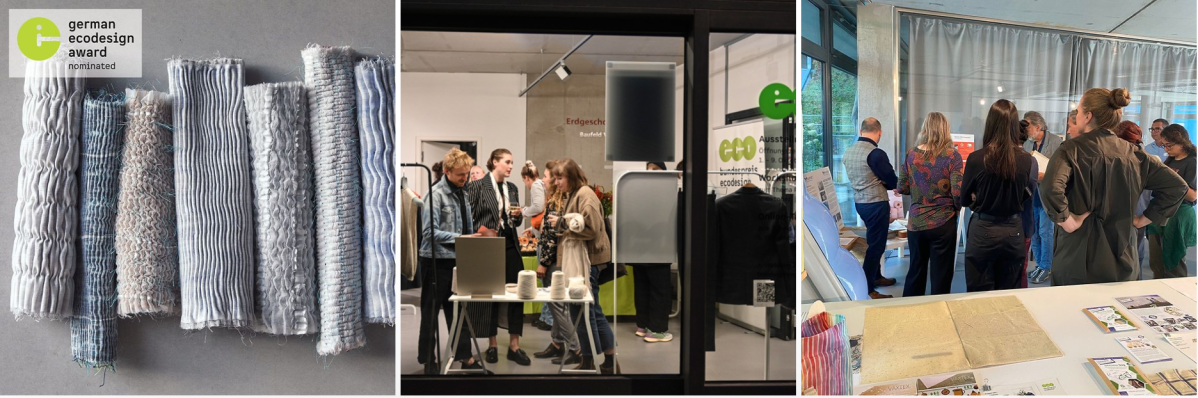
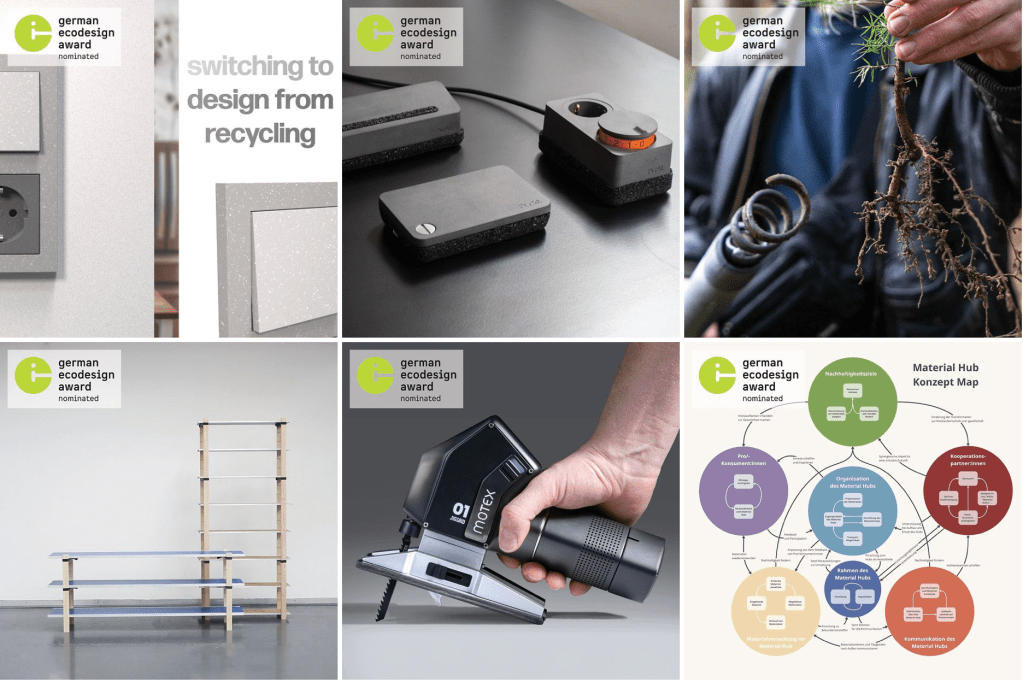
German Ecodesign Award 2023: 26 Projects Nominated After Assessment of 150 Entries in Berlin
The German Ecodesign Award was first introduced in 2012 as an initiative by the Federal Ministry for the Environment, Nature Conservation, Nuclear Safety, and Consumer Protection, in partnership with the International Design Center Berlin (IDZ) and the German Environment Agency. The objective of this prestigious award is to recognize and honor innovative products and concepts that embody high ecological and aesthetic aspirations. The German Ecodesign Award aims to encourage innovation and support the introduction and widespread adoption of environmentally sound products through a high-profile award. It is designed to promote and encourage eco-friendly designs that are both aesthetically pleasing and sustainable. The competition provides an excellent platform for companies and designers to showcase their products and ideas that boast exceptional ecological and design quality. The International Design Center Berlin (IDZ) has been commissioned to develop the competition format and implementation, with the support of a project advisory board. The competition is open to all companies and designers, regardless of their size, location, or industry. To be eligible for the award, the products and concepts must meet specific criteria such as resource efficiency, durability, recyclability, and eco-friendliness. The German Ecodesign Award is an exceptional opportunity for businesses and designers to demonstrate their commitment to sustainability and innovation while celebrating and promoting groundbreaking eco-friendly products and concepts.
The two-day session held on September 25 and 26 at the Metropolenhaus Berlin was a crucial event for the German Ecodesign Award 2023. During this period, the jury meticulously inspected and assessed nearly 150 entries. The environmental and design experts spent considerable time reviewing each submission before finally selecting the top 26 projects to be nominated for the award. The chosen projects demonstrated exceptional qualities that stood out from the rest. The winners of the German Ecodesign Award 2023 will be revealed on December 4, at a highly anticipated ceremony to be held at the Federal Ministry for the Environment. An online gallery displays all the nominees.
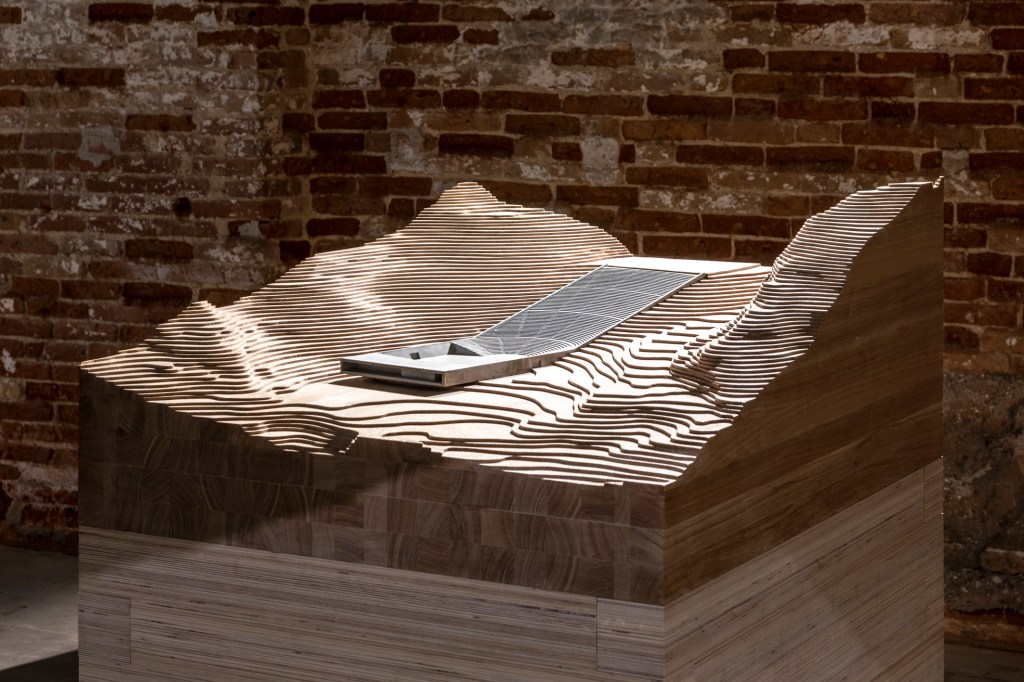
Dangerous Liaisons section featuring AMAA Collaborative Architecture Office for Research and Development. It’s Kind of a Circular Story is in exhibition at the 18th International Architecture Exhibition – La Biennale di Venezia, showcasing The Laboratory of the Future. Photo by Andrea Avezzù, 2023. Courtesy: La Biennale di Venezia.
The 18th International Architecture Exhibition, titled The Laboratory of the Future, takes place in Venice until Sunday, November 26, 2023. The exhibition is held at the Giardini, the Arsenale, and Forte Marghera.
The event is curated by Lesley Lokko and organized by La Biennale di Venezia. La Biennale di Venezia is taking significant steps towards combating climate change by promoting a more sustainable model for designing, installing, and operating all its events. In 2022, La Biennale achieved certifications for all the events held that year. This achievement was made possible by meticulously collecting data on the causes of CO2 emissions generated by the events and adopting consequent measures. The entire process of achieving carbon neutrality, conducted in compliance with international standard PAS2060, was certified by R.I.N.A.
The mobility of visitors is the most significant factor in the carbon footprint of all events. To address this issue, La Biennale launched a communication campaign in 2023 to raise awareness among the attendees. The 18th International Architecture Exhibition is the first major exhibition to test the process of achieving carbon neutrality and reflect on the themes of decolonization and decarbonization.
The International Exhibition has the power to act as an agent for change.
Lesley Lokko views architecture exhibitions as both a moment and a process. Although they share the structure and format of art exhibitions, architecture exhibitions differ from art in critical, often overlooked ways. In addition to the desire to tell a story, questions of production, resources, and representation play a central role in bringing an architecture exhibition to life but are seldom acknowledged or discussed. Right from the beginning, it was evident that the primary focus of The Laboratory of the Future would be ‘change.’
The Laboratory of the Future is an exhibition in six parts. It includes 89 participants, over half from Africa or the African Diaspora.
The Laboratory of the Future exhibition showcases the best and brightest architects, urbanists, designers, landscape architects, engineers, and academics from Africa and the Diaspora. The exhibition is divided into two main parts: the Central Pavilion in the Giardini and the Arsenale complex.
The Central Pavilion in the Giardini features 16 architectural practices representing a distilled force majeure of African and Diasporic architectural production. Visitors to this part of the exhibition can see the strengths and capabilities of these practices and how they are pushing the boundaries of architectural design.
The exhibition then moves to the Arsenale complex, where participants from the Dangerous Liaisons section and Curator’s Special Projects gather. Dangerous Liaisons is a section of the exhibition that explores the links between architecture and technology. At the same time, Curator’s Special Projects is a category that showcases the work of young and emerging architects.
Dangerous Liaisons section featuring AMAA Collaborative Architecture Office for Research and Development. It’s Kind of a Circular Story is in exhibition at the 18th International Architecture Exhibition – La Biennale di Venezia, showcasing The Laboratory of the Future. Photo by Andrea Avezzù, 2023. Courtesy: La Biennale di Venezia.
Dangerous Liaisons section featuring ZAO / standard architecture. Co-Living Courtyard 共生院 is in exhibition at the 18th International Architecture Exhibition – La Biennale di Venezia, showcasing The laboratory of the Future. Photo by Marco Zorzanello, 2023. Courtesy: La Biennale di Venezia.
Throughout both venues, visitors will find young African and Diasporan practitioners, the Guests from the Future, engaging directly with this exhibition’s twin themes, decolonization and decarbonization. Their work provides a glimpse of future practices and ways of seeing and being in the world.
The Curator has thoughtfully opted to refer to participants as ‘practitioners’ rather than architects, urbanists, designers, landscape architects, engineers, or academics. This choice is because Africa’s diverse and intricate conditions and a rapidly changing world necessitate a distinct and more comprehensive understanding of the term ‘architect.’ This exhibition offers a unique opportunity to witness the work of some of the most talented architects and designers from Africa and the Diaspora and to gain a deeper understanding of the challenges and opportunities facing the field of architecture today. Among ‘practitioners’ from Africa and the Diaspora, there are a total of 64 countries participating in the Biennale Architecture, each organizing their exhibitions across the historic Pavilions at the Giardini, Arsenale, and the city center of Venice.
Pavilion of South Africa.The Structure of a People. 18th International Architecture Exhibition – La Biennale di Venezia, The Laboratory of the Future. Photo by Marco Zorzanello, 2023. Courtesy: La Biennale di Venezia.
Pavilion of Brazil. Terra [Earth]. 18th International Architecture Exhibition – La Biennale di Venezia, The Laboratory of the Future. Photo by Matteo de Mayda, 2023. Courtesy: La Biennale di Venezia.
Pavilion of Germany. Open for Maintenance – Wegen Umbau geöffnet. 18th International Architecture Exhibition – La Biennale di Venezia, The laboratory of the Future. Photo by Matteo de Mayda, 2023. Courtesy: La Biennale di Venezia
Welcome to Let’s Stay Tuned! — a section on Art Style Magazine‘s website that extensively covers art and culture. We feature publications that showcase shorter, creative, and concept-based pieces on arts and culture. Collaborators and journalists can submit interviews, opinion pieces, exhibitions, and events reviews. If you’re interested in collaborating, please send your pieces or press releases to our email address (editorial@artstyle.international). We will take care of contributions, select the best works, and publish them on our website.
Art Style Magazine has been working with the support and collaboration of volunteers willing to contribute to the editorial work and disseminate and promote knowledge in art and culture. Publishing in Art Style, Art & Culture International Magazine is free of charge for anyone. No article, essay, contribution processing charges, or other publication fees exist. We are motivated by disseminating knowledge and information without any financial gain. That’s why we are unable to pay for essay contributions.







 Art Style | Art & Culture International Magazine